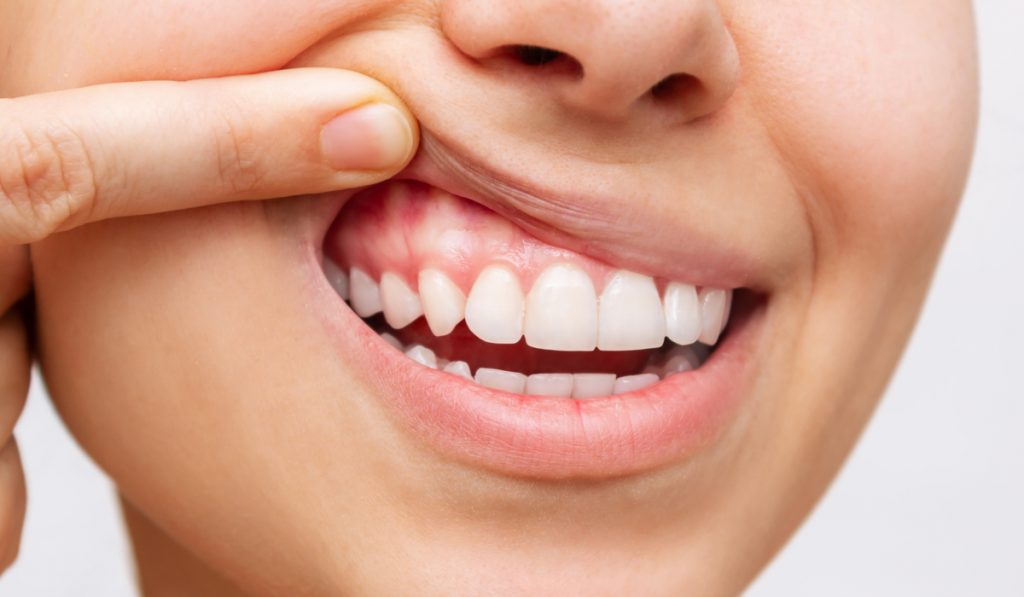
In today’s dentistry, where clinical practice intertwines with art and natural aesthetics, the constant pursuit of perfection has led to an increasingly detailed and sophisticated approach in the fabrication of dental prostheses. In this context, gingival esthetics emerges as an essential component, transforming not only smiles but also patients’ perception of their own identity and confidence.
In this article, I would like to share a perspective that delves into the demanding world of gingival tissues, exploring their diverse anatomy, color nuances, and the zones that compose them. However, beyond an anatomical analysis, we will explore the great importance of gingival waxing in the fabrication of dental prostheses, and how this meticulous attention to gingival esthetics has become a fundamental pillar in modern dentistry. Through this journey, we will discover why the accurate reproduction of gingival tissues has become essential for achieving dental prostheses that not only restore function but also enhance aesthetic experience and quality of life for those seeking to regain a complete smile.
It is important to recognize that dental esthetics has evolved over the years, and modern dentistry places increasing importance on the natural recreation of gingival tissues in prostheses. I once had a colleague ask me, “Daniel, why do you focus so much on the gums if they are the least visible?” My answer was: “Gingival anatomy is an essential component for achieving satisfactory aesthetic and functional results—the gums complement the teeth, and the teeth complement the gums.”
In this article, we will explore different types of gingiva, their anatomy, colors, zones, and the importance of incorporating precise gingival waxing into dental prostheses. To begin, let me tell you that the success of a high-quality dental prosthesis starts with proper gingival waxing and the correct positioning of acrylic resin teeth. For this, we must have a deep understanding of the different parts of the gingiva.
Gingival Anatomy
The gingiva, also known as gingival tissue, is fundamental for oral health and dental esthetics. It is composed of connective and epithelial tissue that surrounds and supports the teeth.
The gingiva is divided into main parts: gingival sulcus, attached gingiva, free gingiva, and interdental papilla.
- Free gingiva: Located at the edge of the teeth and visible when smiling. Its linear contour reflects health and plays a key role in smile esthetics.
- Interdental papilla: Occupies the space between adjacent teeth. A full and healthy papilla is essential to fill interdental spaces and provide an эстетически pleasing appearance.
- Attached gingiva: Surrounds the base of the teeth and extends toward the alveolar bone. Its shape influences harmony between teeth and gums, making it crucial for dental esthetics.
Gingival Color
Gingival color varies depending on health, genetics, and the patient’s ethnicity. Healthy gingiva typically presents a pale pink color but can range from pink to brown tones. Discoloration, such as redness or excessive pigmentation, may indicate health issues and can affect dental esthetics.
The Importance of Gingiva in Dental Prostheses
The importance of gingival esthetics in dental prostheses lies in achieving a natural and harmonious appearance. Advances in dentistry have increased attention to detail in prosthesis fabrication, and gingival waxing plays a vital role from several perspectives:
- Esthetic harmonization: Recreating the shape and texture of gingiva contributes to a balanced and visually pleasing smile. Precise waxing ensures a smooth transition between teeth and gums.
- Impact on patient self-esteem: Prostheses that closely mimic natural gingiva significantly enhance patient confidence, comfort in speaking, and ease when eating.
- Technological advancements and innovative materials: The use of advanced technologies such as 3D printing and innovative materials allows greater precision in gingival reproduction. Adapting gingival waxing to each patient’s morphology is now more achievable than ever.
- Shift in esthetic perception: Evolving esthetic expectations have increased demand for prostheses that are not only functional but also highly esthetic. Patients seek smiles that both feel and look natural.
Conclusion
I hope this article is helpful and insightful. In conclusion, gingival esthetics in dental prostheses has become a fundamental area in modern dentistry. Today, it is so important that professionals must be trained to recreate it both through analog and digital techniques.
A deep understanding of gingival anatomy, color variability, and the integration of advanced technologies are essential to achieve exceptional esthetic outcomes. Close collaboration between dentists, prosthodontists, and dental technicians is key to advancing excellence in gingival esthetics—ensuring prostheses that not only restore function but also enhance patients’ quality of life and aesthetic confidence.
I would also like to recommend an article titled “In Search of Naturalness from Acrylic Resin,” available on our blog, where I explain in detail the step-by-step gingival waxing and characterization process.
Finally, I invite you to follow us on all our information channels and social media, especially on our YouTube channel, where we share product videos and working techniques.
TPD. Daniel Andrés Zárate A.